Luxury face masks where a routine becomes a treatment — concentrated formulas applied for ...
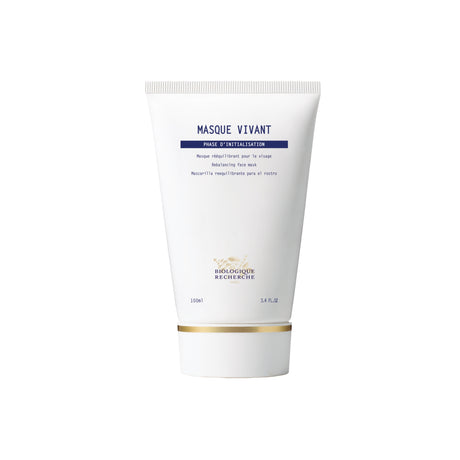
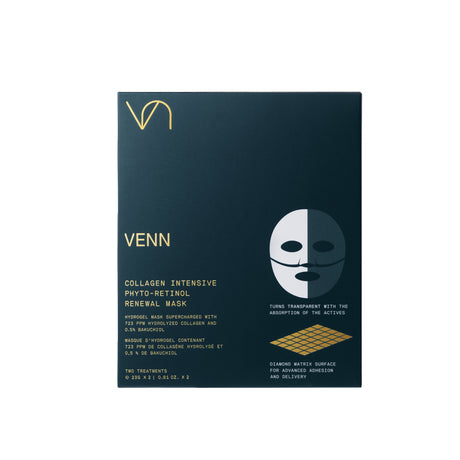
Luxury face masks where a routine becomes a treatment — concentrated formulas applied for a set time to deliver what daily products cannot in a single step. The range is built around houses like Biologique Recherche, Ayuna and Venn, and covers hydrating and nourishing masks, purifying clay and mud formulas, enzyme peels, balm masks and collagen-intensive treatments. Used once or twice a week alongside a consistent daily routine, the right mask accelerates results in a way that no other step can match.
Luxury face masks where a routine becomes a treatment — concentrated formulas applied for a set time to deliver what daily products cannot in a single...
Luxury face masks where a routine becomes a treatment — concentrated formulas applied for a set time to deliver what daily products cannot in a single step. The range is built around houses like Biologique Recherche, Ayuna and Venn, and covers hydrating and nourishing masks, purifying clay and mud formulas, enzyme peels, balm masks and collagen-intensive treatments. Used once or twice a week alongside a consistent daily routine, the right mask accelerates results in a way that no other step can match.
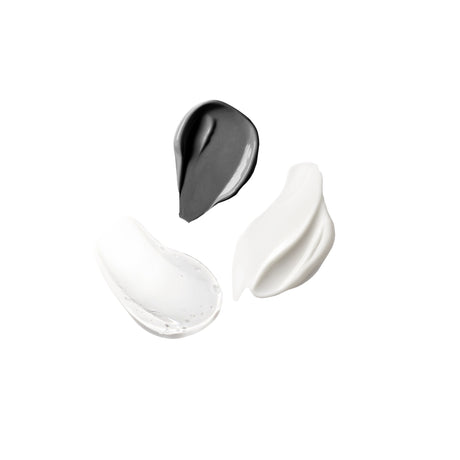
Start with what your skin needs most right now. Clay and mud masks suit congested or oily skin that needs decongesting. Balm and cream masks are better for skin that feels dry, tight or depleted. Enzyme peels work well when texture, dullness or uneven tone are the priority. Collagen-intensive masks target firmness and visible signs of ageing. If you are unsure, consult an expert and our team will recommend the right formula for your skin.
Once or twice a week is enough for most skin types. Nourishing and hydrating masks can be used more frequently — up to three times a week — without risk. Purifying clay masks and enzyme peels are more intensive and once a week is usually sufficient. The key is consistency over frequency: a single well-chosen mask used regularly will outperform three different masks used sporadically.
After cleansing and toning, on clean skin. This allows the active ingredients in the mask to penetrate without competing with residue or product layers. After removing the mask, continue with serums, cream and SPF as usual. Some masks work well as an alternative to your serum step; others are best followed by the full routine. Check the product page for specific guidance.
Yes — this is known as multi-masking. The approach involves applying different masks to different areas of the face based on what each zone needs: a purifying mask on the T-zone, a hydrating mask on the cheeks, a firming mask along the jawline. It works well when your skin has more than one concern and no single mask covers all of them. Just avoid layering two masks on the same area.
No. Masks are a supplement to a consistent daily routine, not a substitute for any part of it. A mask delivers a concentrated dose of active ingredients over a set time, but it cannot replace what a cleanser, toner, serum or moisturiser does cumulatively through daily use. Think of masks as the step that accelerates results — they work best when the foundation of your routine is already in place.
It varies by format. Clay and mud masks typically need 10 to 15 minutes — remove them before they dry completely to avoid pulling moisture from the skin. Cream and balm masks can stay on for 15 to 20 minutes, and some are designed to be left on overnight. Enzyme peels usually work within 5 to 10 minutes. Always follow the time guidance on the product page, as leaving a mask on longer does not necessarily improve results.








 JOIN REWARDS PROGRAMME FOR15% off your first orderFree delivery over £75Free samples over £130Points on every purchase