Luxury face cleansers selected for the integrity of their formulations and their ability t...
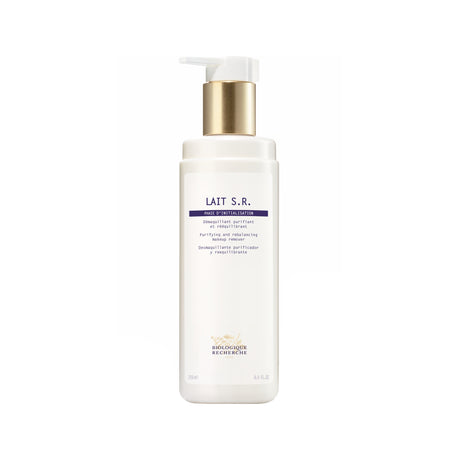
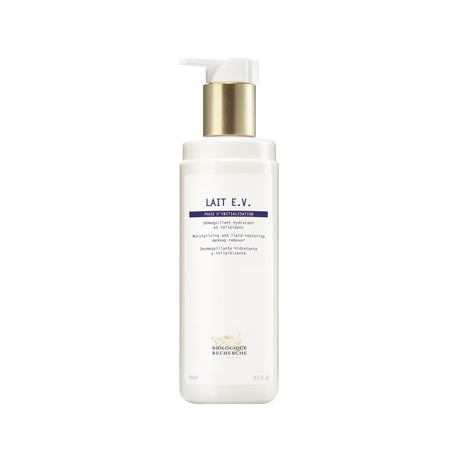
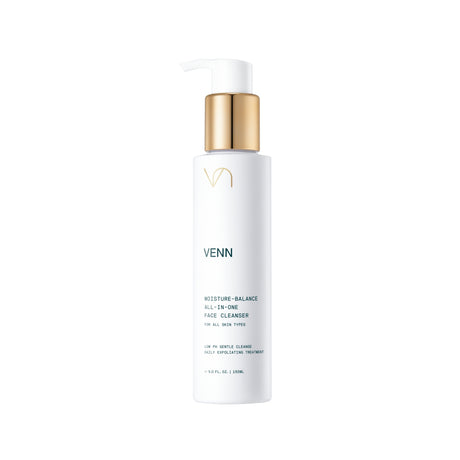
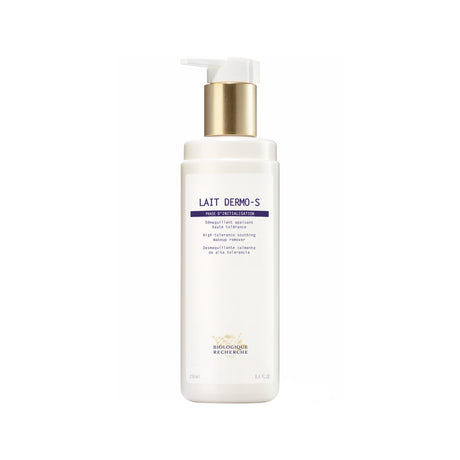
Luxury face cleansers selected for the integrity of their formulations and their ability to leave skin balanced rather than stripped. The range is built around houses like Biologique Recherche, Future 5 Elements and Vie de Mer, and the right format matters: cleansing milks dissolve makeup and impurities without disrupting the skin barrier, enzyme cleansers gently resurface, micellar waters lift residue with minimal contact, and gel cleansers refresh and decongest.
Many of the formulas in this edit are designed for double cleansing — a first cleanse to lift sunscreen, makeup and surface debris, followed by a second to address the skin itself. Cleansing milks work well as a first step; enzyme and gel cleansers as a second.
Luxury face cleansers selected for the integrity of their formulations and their ability to leave skin balanced rather than stripped. The range is bui...
Luxury face cleansers selected for the integrity of their formulations and their ability to leave skin balanced rather than stripped. The range is built around houses like Biologique Recherche, Future 5 Elements and Vie de Mer, and the right format matters: cleansing milks dissolve makeup and impurities without disrupting the skin barrier, enzyme cleansers gently resurface, micellar waters lift residue with minimal contact, and gel cleansers refresh and decongest.
Many of the formulas in this edit are designed for double cleansing — a first cleanse to lift sunscreen, makeup and surface debris, followed by a second to address the skin itself. Cleansing milks work well as a first step; enzyme and gel cleansers as a second.
It depends on what your skin needs day to day rather than a fixed skin type label. Cleansing milks suit most skin types and are gentle enough for twice-daily use. Enzyme cleansers are best two or three times a week when skin needs resurfacing or decongesting. Micellar waters work well as a first cleanse or a low-contact option for reactive skin. Gel cleansers refresh and decongest oilier complexions. If you are unsure, consult an expert and our team will recommend the right format for your skin.
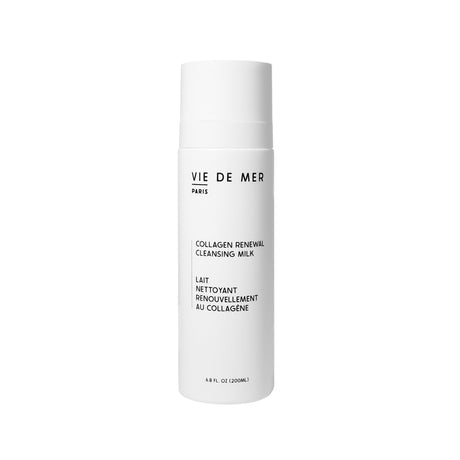
The best everyday face cleanser is one gentle enough to use morning and night without disrupting the skin barrier — typically a cleansing milk or a mild micellar water. Save enzyme cleansers and stronger gel formulas for two or three times a week, when skin needs decongesting or resurfacing rather than daily maintenance. Cleansing milks like Biologique Recherche's Lait range or Vie de Mer's Collagen Renewal Cleansing Milk suit twice-daily use across most skin types.
A single cleanse often is not enough to remove sunscreen, makeup and the day's accumulated residue — especially oil-based products that bond to the skin. The first cleanse, typically a cleansing milk or micellar water, dissolves surface debris. The second, usually an enzyme or gel cleanser, addresses the skin itself — clearing pores, smoothing texture and allowing any products applied afterwards to absorb properly. Double cleansing is most beneficial in the evening.
In most cases, yes. The morning cleanse is lighter — its job is to remove overnight oil and prepare skin for serums, creams and SPF. A gentle cleansing milk or micellar water is usually enough. The evening cleanse works harder, removing sunscreen, makeup and environmental residue, and is where a second step with an enzyme or gel cleanser adds the most value. Using two different formats across the day gives skin what it needs at each point.
It depends on the formula. Cleansing milks and micellar waters are designed to dissolve makeup as part of the cleansing process, so for most daily wear they can serve as both steps in one. Heavier or waterproof makeup may still need a dedicated first step — an oil-based remover or a thorough application of cleansing milk — followed by a second cleanse to address the skin underneath. The key is that makeup should never be left for a single quick wash to handle.
Yes, if the formula is wrong for your skin or if you are over-cleansing. A cleanser that is too rich can leave residue that congests pores, while one that is too stripping can damage the barrier and trigger excess oil production — both of which lead to breakouts. Switching to a new cleanser can also cause a short adjustment period. If breakouts persist beyond two to three weeks, the formula likely is not the right fit.








 JOIN REWARDS PROGRAMME FOR15% off your first orderFree delivery over £75Free samples over £130Points on every purchase