









The Winter Rule of Actives
/ By Natalie Kingsley-Fieldgrass
How to pair retinoids and AHAs with rich moisturisers to protect the skin barrier
Winter alters the skin’s biology. Reduced humidity, colder temperatures and indoor heating disrupt the skin barrier that maintains the integrity of the skin, increasing transepidermal water loss and lowering tolerance to active ingredients. When retinoids and alpha hydroxy acids are introduced without adequate support, the result is often irritation rather than renewal.
The Differences Between AHAs and Retinols
RETINOLS
Retinoids and alpha hydroxy acids (AHAs) are considered the pillars of advanced skincare, each working through a distinct yet complementary biological pathway. Retinoids, derived from vitamin A, guide the skin’s natural renewal process and encourage collagen production within the deeper layers of the skin. They range from softer, introductory forms such as retinyl esters and retinol to more active expressions like retinaldehyde and prescription-strength tretinoin.

AHAS
AHAs focus on surface refinement, gently loosening dead skin cells to reveal smoother texture and enhanced radiance. While retinoids tend to be more demanding on the skin, particularly during the initial adaptation phase, AHAs may create fleeting sensations of tingling or sensitivity depending on strength and skin type. In the realm of anti-ageing, retinoids remain the gold standard for long-term structural improvement, while AHAs play a complementary role, perfecting tone, clarity and luminosity for a more refined complexion.
Understanding Active-Induced Stress
Retinoids and AHAs remain among the most effective ingredients for improving skin texture and promoting cellular turnover. However, their efficacy relies on increasing epidermal activity, temporarily thinning the skin and accelerating exfoliation. In winter, this process can leave skin more vulnerable if the skin barrier is not simultaneously reinforced. 
Why the Skin Barrier Matters More in Cold Weather
A healthy skin barrier is defined by an organised balance of ceramides, cholesterol, water and fatty acids. Cold weather depletes these essential lipids, reducing the skin’s ability to retain moisture and protect itself. Supporting this structure is key to maintaining comfort while continuing active-led skincare.
SHOP NOURISHING FACE CREAMS & OILS
Creams & Oils as Biological Support Systems
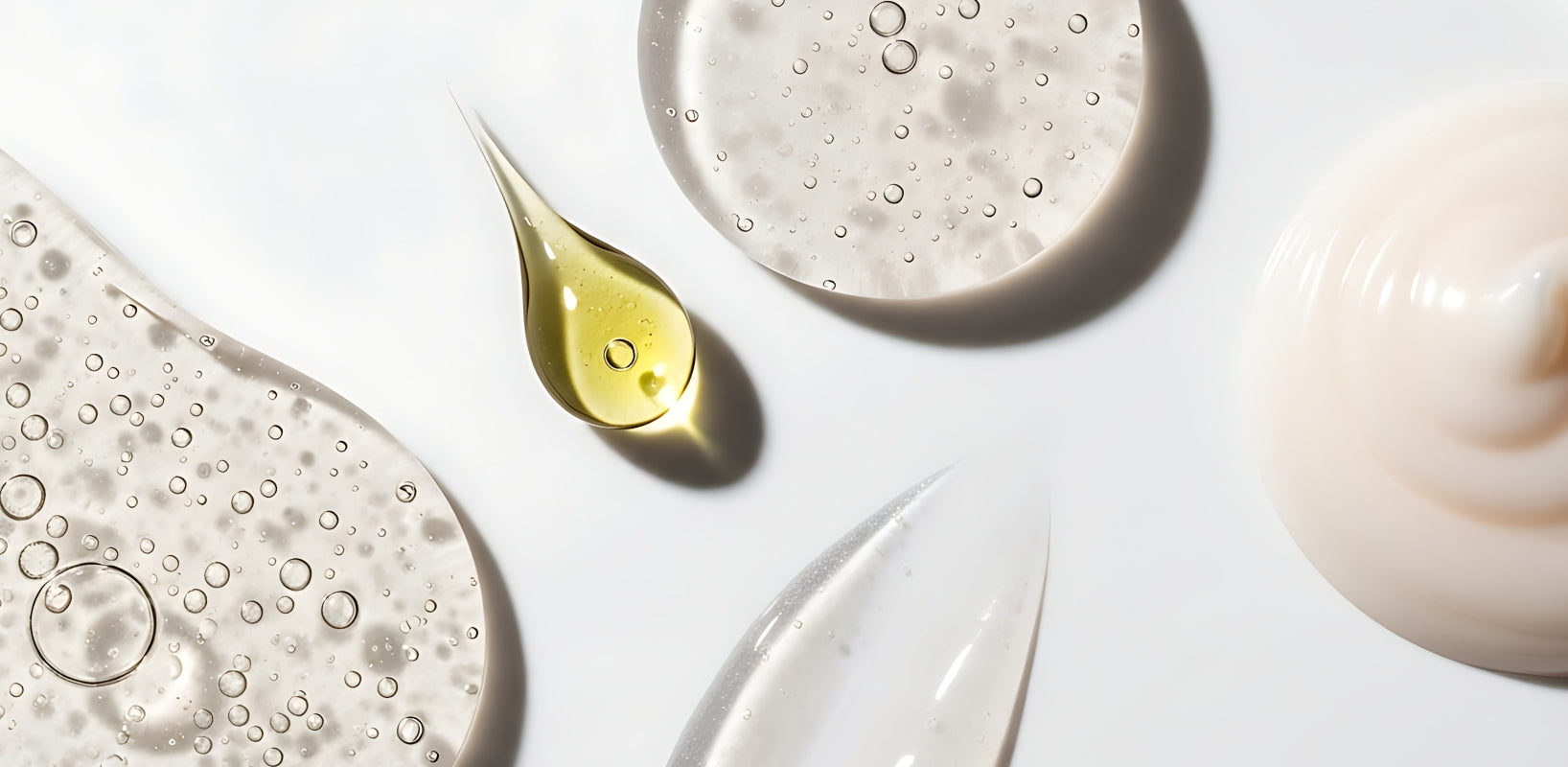
Rich creams and oils do more than nourish and protect; they restore structural balance. Formulations containing barrier-identical lipids, humectants such as glycerin and hyaluronic acid, and gentle occlusives help rebuild resilience, soothe inflammation and buffer the intensity of retinoids and acids. This allows actives to perform optimally without overwhelming the skin.
SHOP NOURISHING FACE CREAMS & OILS
The Science of Gentle Precision
Applying a cream or oil after actives helps stabilise their interaction with the skin. For more reactive skin types, applying them before an active can moderate penetration, maintaining efficacy while increasing tolerance, a technique supported by dermatological practice
A Season of Supported Renewal
Winter skincare is not about reducing results, but refining the approach. When actives are paired with intelligent hydration and barrier reinforcement, skin remains calm, nourished and receptive, allowing regeneration to unfold gradually, comfortably and beautifully.

About Me


LATEST YOUTUBE
INTRODUCING VENN
May, 10, 2024